The return to office perks that work are the ones that give people something they cannot get at home: a good meal and coffee without leaving the building, real time with coworkers on the days everyone is in, a quiet place to focus, and some control over when they work. Swag, game tables, and one-off parties rarely change how anyone feels about the commute.
Below is what recent research says employees value, how to put each perk into practice, and a few perks that look good in an announcement but do little for attendance.
Why return to office perks matter now
Office requirements are now the norm for jobs that can be done remotely. In a Pew Research Center survey of workers whose jobs can be done from home, 75% of those who do not work from home all the time said their employer requires a certain number of in-person days, up from 63% in early 2023. The same survey found 46% would be unlikely to stay at their job if they could no longer work from home.
Mandates get people in the door, but they do not make the day worth it. Gallup's research on hybrid work found hybrid employees spend about 46% of their workweek in the office, roughly 2.3 days, and that in-person time is more productive when colleagues reliably show up. The office has to earn those two or three days.
Start with what the commute costs your people
Before you pick perks, be honest about the trade employees are making. The Owl Labs 2025 State of Hybrid Work report found commutes average 62 minutes a day. That is about an hour of unpaid time, before gas, parking, and lunch.
In metro Atlanta the math is harder than most places. Urbanize Atlanta's coverage of the 2025 INRIX Global Traffic Scorecard reported that Atlanta drivers lost about 75 hours to congestion in 2025, the seventh worst in the country. Anyone driving in on GA 400, I-285, or the Downtown Connector knows a perk has to beat sitting in that traffic. The best ones save people time or money once they arrive, and that starts with food.
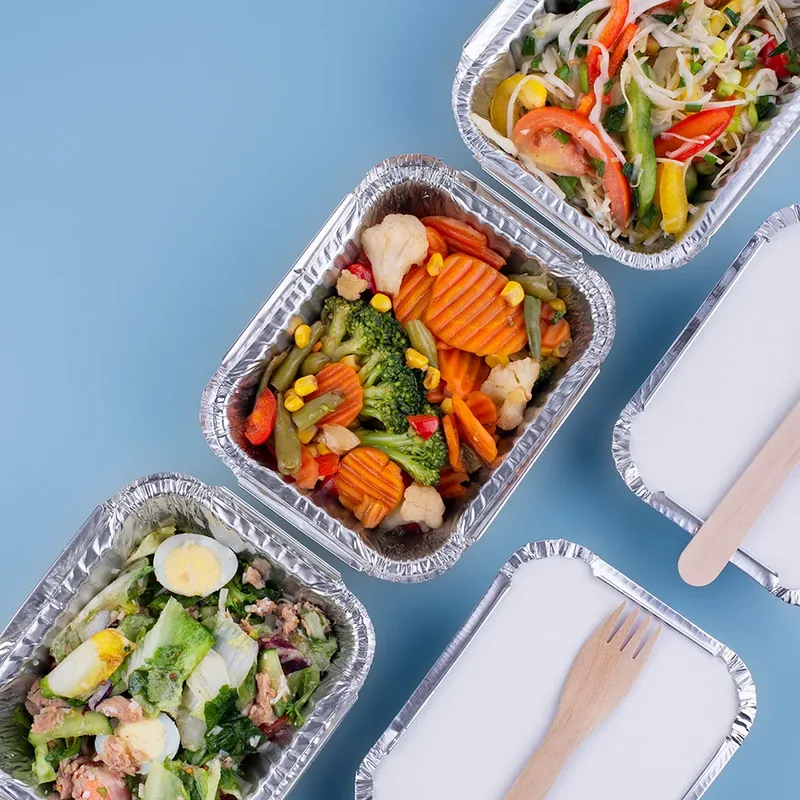
Food and coffee on site: the perk people use every day
Lunch is where the hidden cost of office days shows up. If the nearest decent option is a long drive in midday traffic, employees either spend money and time they would not spend at home, or they skip eating well. Employers have noticed: SHRM has reported on companies adding perks such as free lunch on set in-office days to support their return to office plans.
Catered lunch helps, but it is a once-a-week fix. What changes the daily experience is food that is always there:
- A micro market with fresh meals, salads, snacks, and drinks that people buy at a self-checkout kiosk whenever the building is open.
- An AI smart cooler for smaller spaces or sites with visitors: tap a card, grab what you want, and cameras and sensors charge automatically.
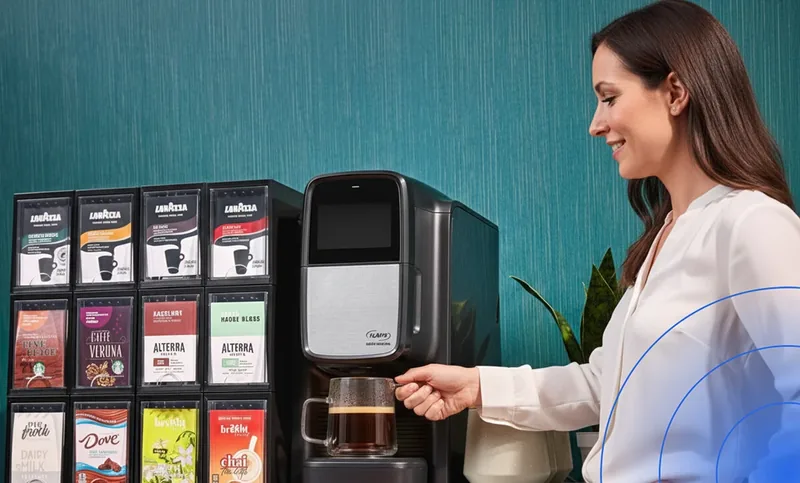
- Coffee people would choose over a drive-thru, which our office coffee service guide breaks down by brewer type.
- Subsidized pricing on anchor days, where the company covers part or all of the cost so lunch on site becomes a real perk instead of just a convenience.
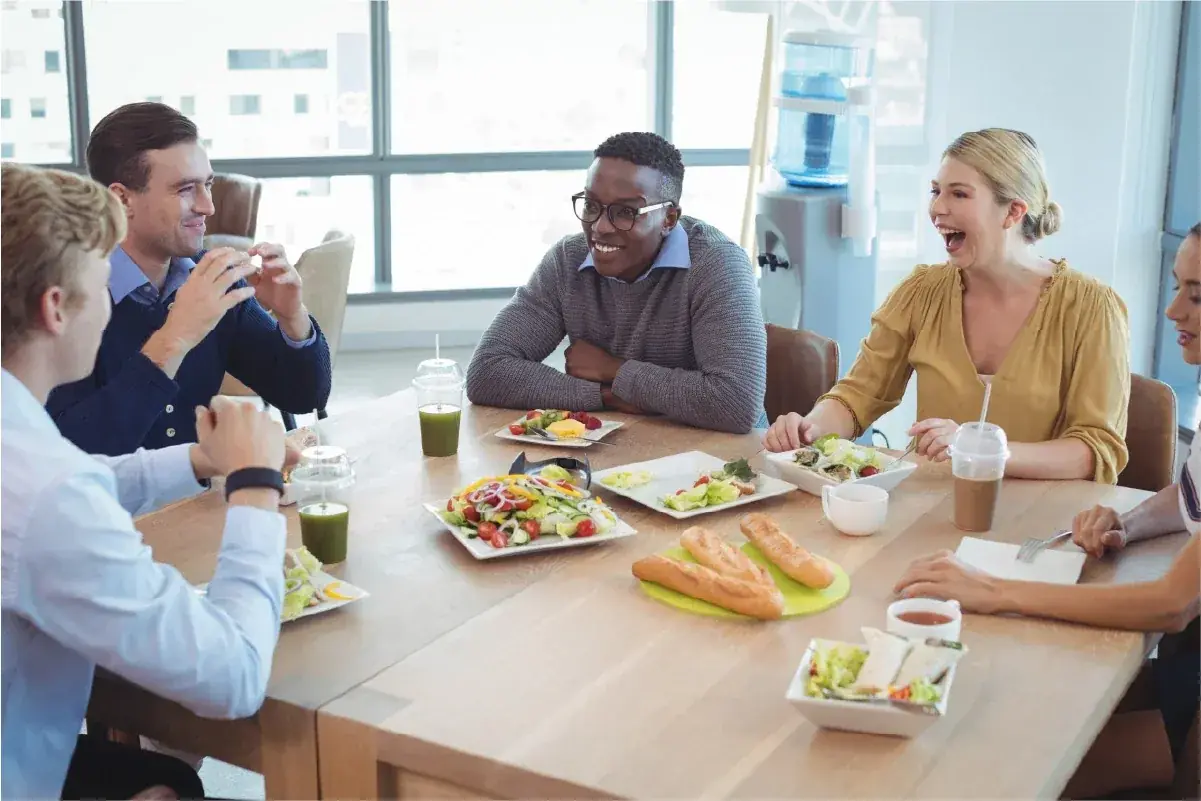
Food also solves a social problem, because a well-stocked breakroom is where people actually run into each other. Our break room ideas cover layouts that encourage people to sit down instead of grabbing and leaving.
Flexibility about when, not just where
Many employers treat flexibility as a count of remote days. Employees care about hours too. Owl Labs found 47% of workers say they do not have the overall flexibility they want, and workers said they would give up 9% of their salary for flexible working hours.
That points to a perk that costs nothing. On office days, let people shift their arrival to miss the worst of rush hour, leave early for school pickup, or step out for a midday appointment. In Atlanta, leaving the house after the morning peak can make a real difference in drive time, and people remember the manager who allowed it.
Social time people do not have to be forced into
The strongest case for the office is other people. Gallup's research on workplace loneliness found fully remote employees report more loneliness (25%) than hybrid employees (21%) or those working fully on site (16%). Owl Labs found workers feel most productive in the office when managing others (58%), meeting new people (56%), collaborating (55%), and being mentored (52%).
The catch is that social time only happens when the right people are there on the same day. A few ways to make it real:
- Set team anchor days so nobody commutes in to sit on video calls with colleagues who stayed home.
- Put lunch, coffee, or a market subsidy on those anchor days so there is a natural reason to gather.
- Schedule mentoring, onboarding, and one-on-ones in person, and save heads-down work for home.
- Keep events short and inside work hours. A 30 minute breakfast beats an after-hours happy hour for people with kids or a long drive.
Quiet space and the tools to actually work
An open floor full of people on calls is a reason to stay home. Yet the office can be the better place to focus: Owl Labs found 43% of workers say they focus better in the office, compared with 34% at home.
Protect that advantage with phone booths or small rooms for calls, a quiet zone with no meetings, reliable Wi-Fi, monitors and docking stations wherever people sit, and enough outlets that nobody goes hunting. None of it is glamorous, but it is the difference between a productive office day and a lost one.
Perks that sound good but rarely move the needle
Some perks get announced with fanfare and forgotten within a month:
- Swag drops. Nice once, but a hoodie does not offset a commute.
- Game tables. They tend to sit unused on busy days, and they make the floor louder for people trying to focus.
- One-off parties. Fun, but they do not change an ordinary Tuesday.
- Badge tracking as a strategy. Owl Labs found 78% of workers believe their companies enforce return to office policies to maintain oversight. Perks land better when they signal trust, not surveillance.
The pattern is simple. Perks that save time, money, or effort on every office day matter more than perks that only show up occasionally.
Make the office worth the drive with VendGO
VendGO is a locally owned breakroom company in Alpharetta that helps corporate offices across metro Atlanta make in-office days easier. We place micro markets, AI smart coolers, vending machines, and office coffee at $0 cost to your business, on month-to-month agreements with no long-term contract, and you can start with a two-month trial.
You can subsidize prices partly or fully on the days that matter most. Employees can scan a QR code to request items, which we fill within three days, and two dedicated account managers plus a two-hour response time keep the breakroom from becoming another complaint. From Marietta to Midtown, request a free consultation or call 678-848-5199 to talk with the owner about what would make your office worth the commute.
Frequently asked questions
What perks do employees want to return to the office?
The perks that matter most solve everyday problems: good food and coffee on site, flexibility about arrival and leaving times, real time with teammates on shared days, and quiet space to focus. Occasional events and swag rarely change how people feel about the commute.
What are low cost return to office perks?
Flexible start times, team anchor days, and in-person mentoring cost little or nothing. Subsidized snacks or a free market day on anchor days add a visible perk on a small budget, and our employee appreciation ideas include more options by budget.
How many days a week do hybrid workers go into the office?
Gallup found hybrid employees spend about 46% of their workweek in the office, or roughly 2.3 days. Owl Labs reported that three days a week is the most common hybrid schedule.
Do return to office mandates cause turnover?
They can. A Pew Research Center survey found 46% of workers with remote-capable jobs would be unlikely to stay if they could no longer work from home, which is why the in-office experience matters.